
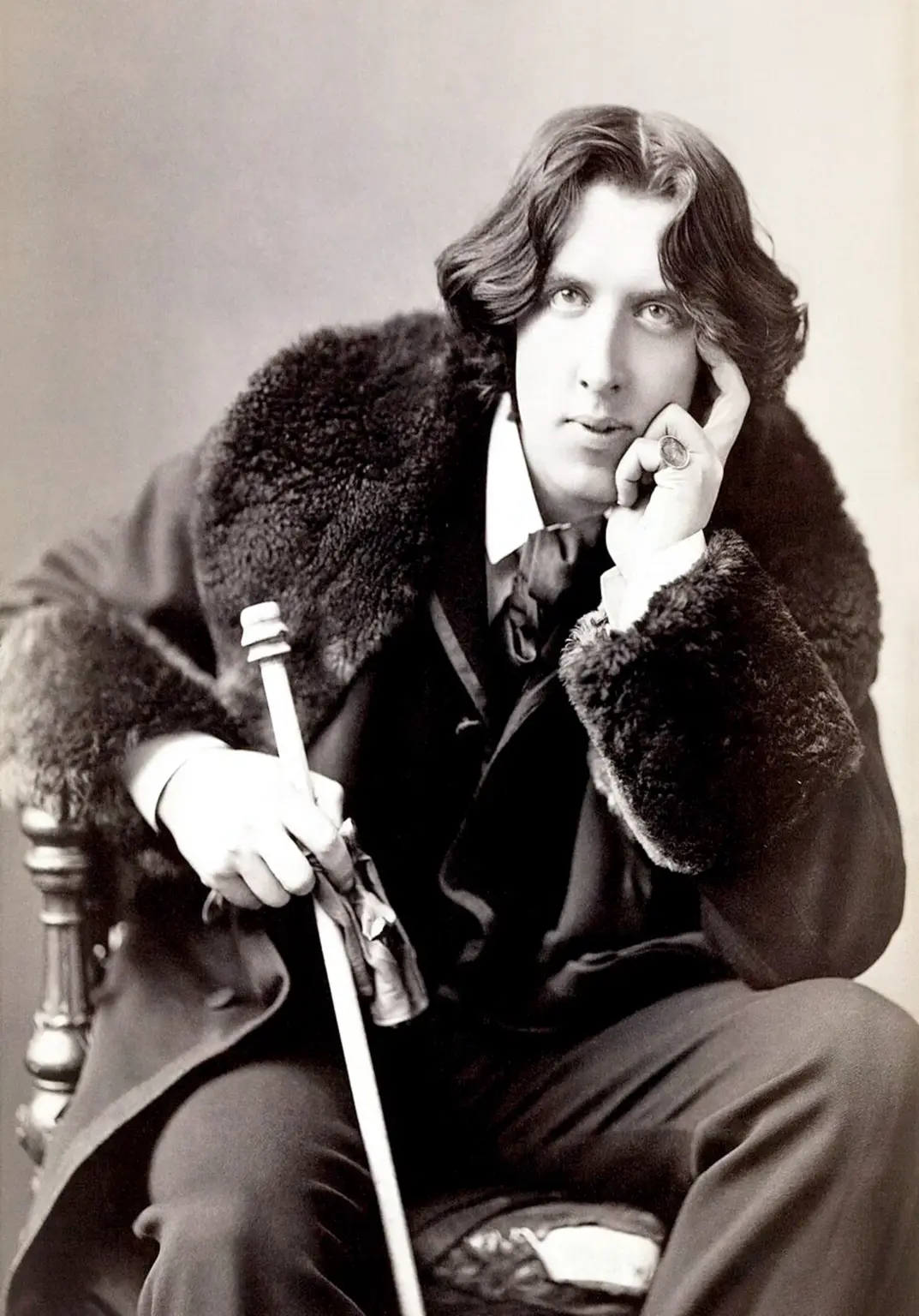
Oscar Wilde shines in the world of theaterThe imprisonment and death of the Irish writer
Paris, France – The life of Irish writer Oscar Wilde took a tragic turn, transforming from literary fame and success to one of the most tragic ends in the history of European literature.
After being tried and imprisoned, he was forced to leave Britain and live in exile in France until his death.
Wilde was born in 1854 in Dublin, Ireland. He emerged as one of the most important writers of the 19th century,
thanks to his distinctive literary style and his ability to employ satire and wit in addressing social and human issues.
He achieved widespread fame through his plays and novels, most notably “The Picture of Dorian Gray,” which has become a classic of world literature.
Oscar Wilde shines in the world of theater
Oscar Wilde’s name also shone brightly in the world of theater through a number of highly successful works, including “The Importance of Being Earnest” and “Lady Windermere’s Fan.”
He thus became one of the most prominent cultural figures in British society during that period.
However, his career took a dramatic turn in 1895. That year, he faced legal troubles that resulted in his conviction for homosexual conduct,
according to the prevailing British laws at the time. He was sentenced to two years of hard labor.
The imprisonment and death of the Irish writer
During his imprisonment, Wilde endured harsh conditions that severely impacted his mental and physical health.
After his release in 1897, he left Britain for France, where he lived far from the limelight and fame he had once enjoyed.
In Paris, he adopted a pseudonym for a time. He attempted to regain his mental and creative balance, but he was unable to recover his former social standing or literary career.
He also suffered from financial hardship and a progressive decline in his health.
Oscar Wilde died in Paris in 1900 at the age of 46. He left behind a significant literary legacy that transcended his personal struggles,
and his works remain influential in world literature and theater. He is regarded as one of the most influential figures in European culture.